
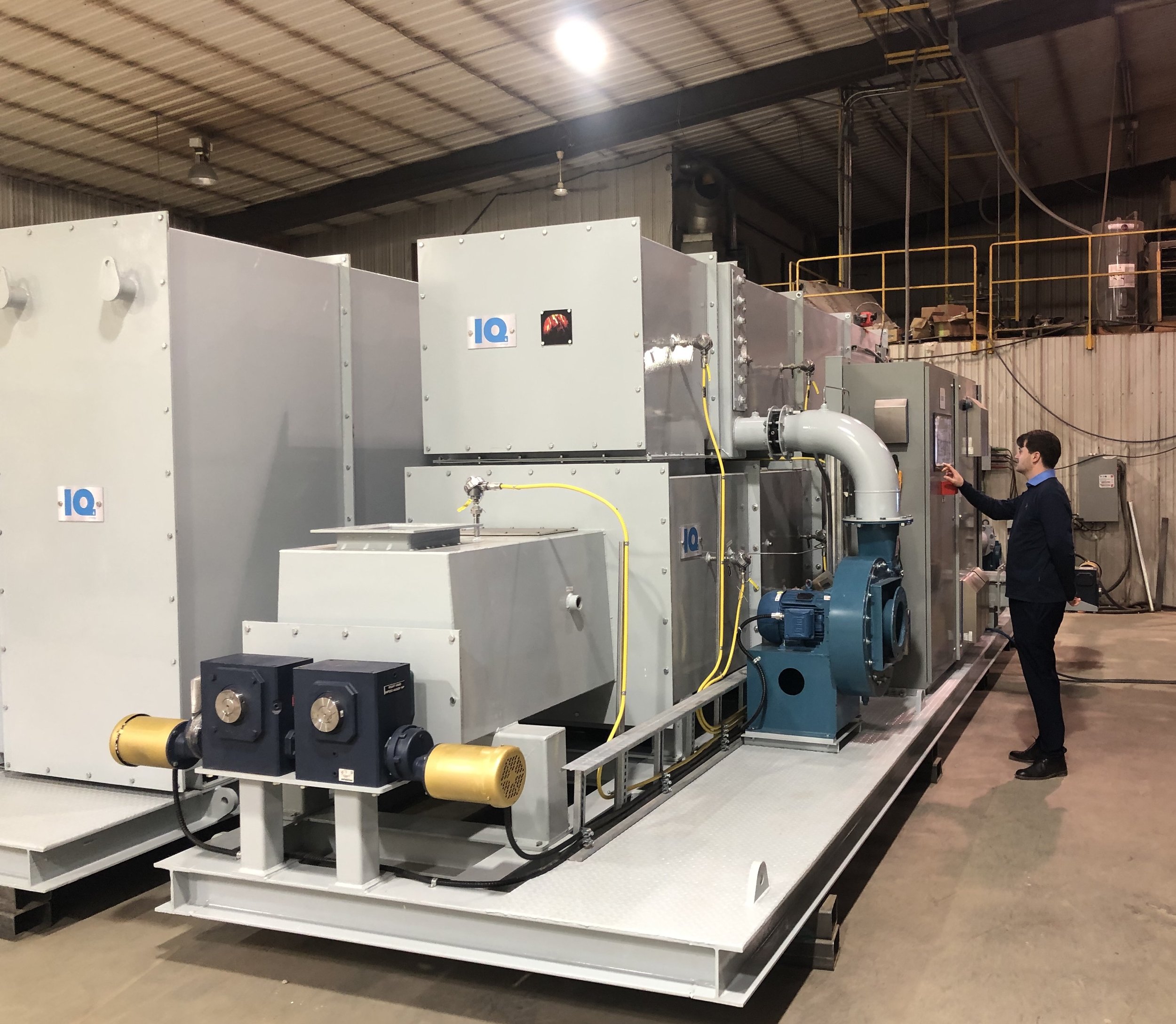
Advanced Thermal Treatment
IQ Energy develops Advanced Thermal Treatment systems for municipal biosolids, industrial and organic residuals, and PFAS-impacted solids.
Our hybrid pyro-gasification and pure pyrolysis platforms help organisations reduce disposal dependence, recover useful resources and develop long-term treatment capacity around their feedstock and project objectives.
Understanding Advanced Thermal Treatment
Advanced Thermal Treatment uses elevated temperatures under controlled operating conditions to transform residual materials into recoverable energy and stable carbon products. Depending on the application, this may involve pyrolysis, gasification or a combination of both, together with downstream gas treatment and emissions control.
Terms such as Advanced Thermal Conversion and carbonisation are also used across the industry. What matters is how the treatment process is configured—and whether it suits the material, operating requirements and intended outcomes.
Why organisations are adopting ATT
Rising disposal and transport costs
Emerging contaminants and evolving regulation
Increasing environmental and community expectations
Long-term residual management resilience
Opportunities for resource recovery and decarbonisation
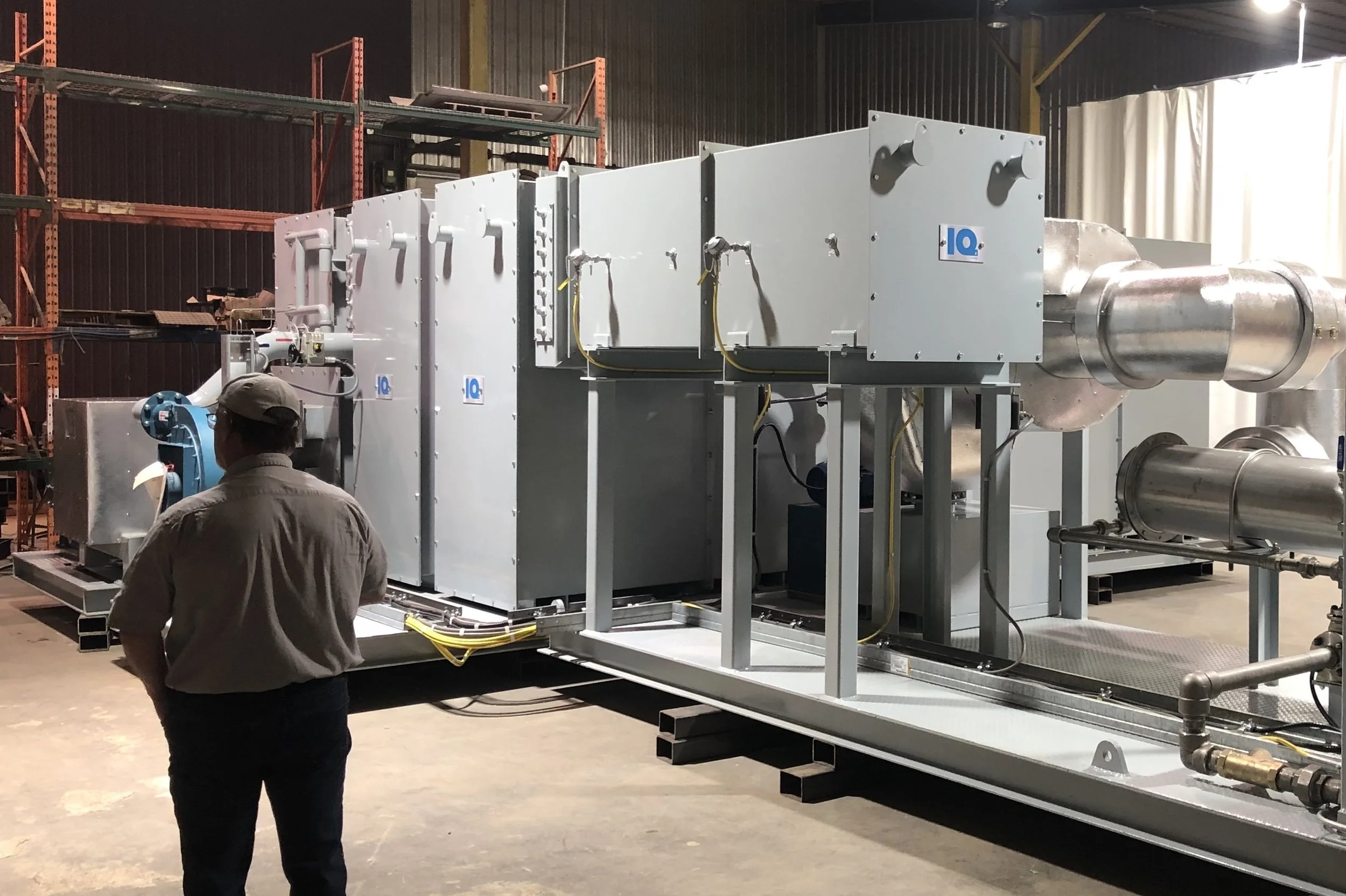
IQ Energy's Preferred ATT Platform
G-Series Hybrid Pyro-Gasification
The G-Series combines controlled pyrolysis and gasification within a continuous thermal treatment process.
It is IQ Energy’s core platform for municipal biosolids, industrial residuals and other challenging materials where residual reduction, energy recovery and operational flexibility are important project objectives.
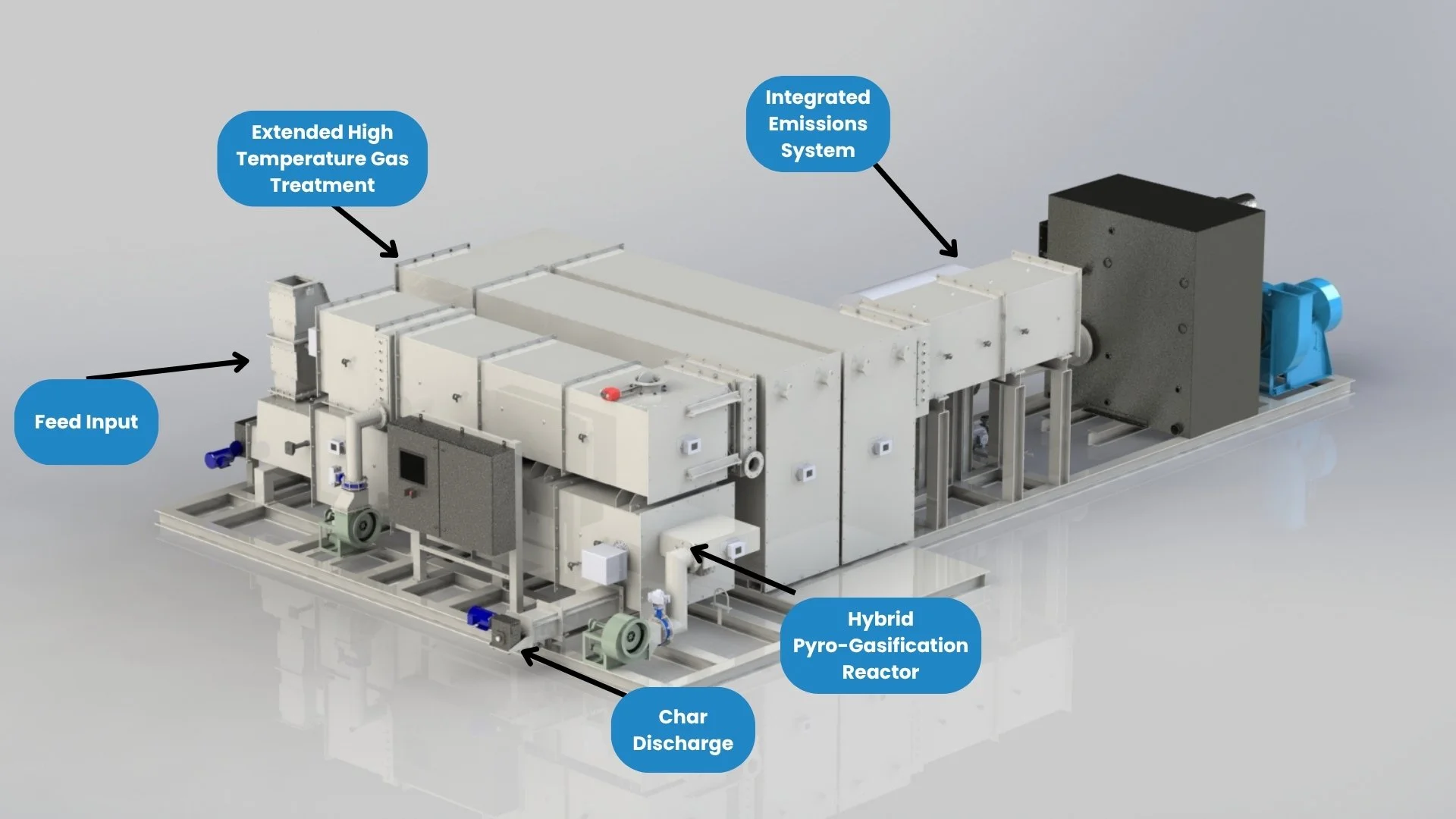
High-temperature gas treatment, integrated emissions control and automation are built into the platform.
Video: G500 at IQ Energy’s Alberta commercial reference facility during commissioning.
Why Hybrid Pyro-Gasification?
Reduce residual volumes • Recover thermal energy • Produce stable carbon • Treat difficult contaminants
The G-Series draws on the technology team’s experience developing, commissioning and operating thermal treatment systems through previous organisations, together with IQ Energy’s own G300 demonstration work.
That experience informs our approach to technology selection: match the thermal process to the feedstock and the required outcome, rather than expecting one treatment pathway to suit every project.
Broad Feedstock Capability
Developed to process a diverse range of difficult residual streams using one common technology platform.Improved Thermal Efficiency
For many high-moisture residuals, Hybrid Pyro-Gasification provides a more thermally efficient process, helping support integrated drying and reducing reliance on external fuel.Pure Pyrolysis Where It Fits Best
Pure Pyrolysis remains available for specialist applications where project objectives favour carbon retention or other application-specific outcomes.The G-Series Integrated Platform
The G-Series is designed as an integrated commercial treatment platform, bringing together feed handling, hybrid pyro-gasification, high-temperature gas treatment, emissions control and char discharge within one coordinated system.
Feed preparation, drying and heat recovery are configured around the requirements of each project, allowing the core G-Series platform to integrate into a complete treatment facility.
One Platform. Multiple Capacities.
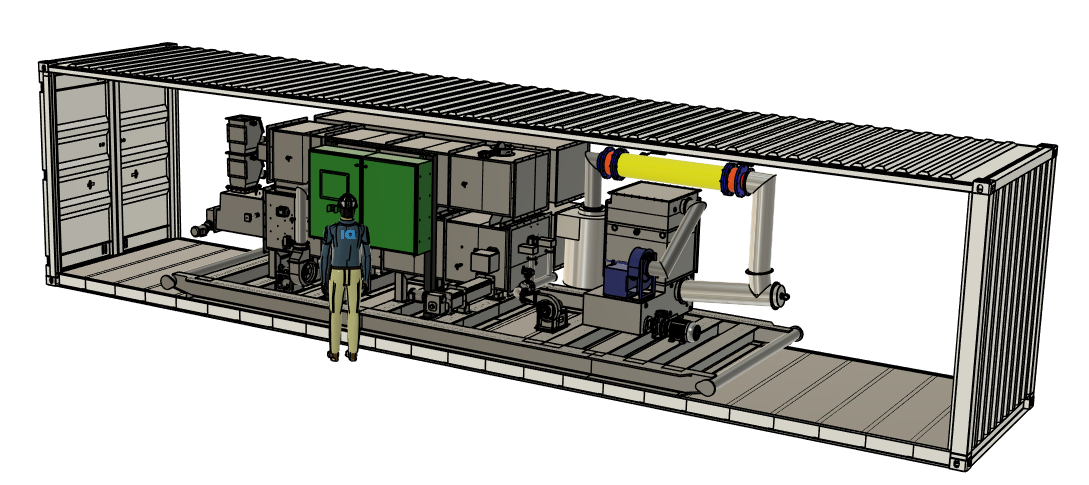
The G-Series uses a common technology platform across four unit sizes, allowing capacity to be matched to the project and expanded through multiple units.
G100
Input: ~100 dry kg/hr
2.4 dry tonnes/day
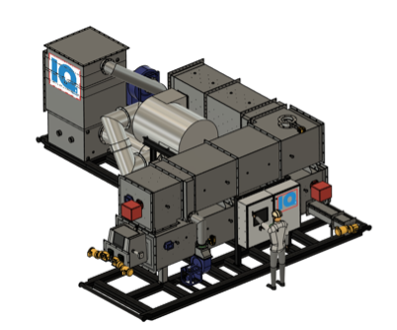
Input: ~300 dry kg/hr
7.2 dry tonnes/day
G300

Input: ~500 dry kg/hr
12 dry tonnes/day
G500

Input: ~1,000 dry kg/hr
24 dry tonnes/day
G1000
Indicative capacities on a dry-solids basis. Daily equivalents assume 24-hour operation. Final sizing depends on feedstock characteristics, treatment requirements and the proposed operating schedule.
Individual G-Series units can serve a single site, while multiple units can provide additional capacity for larger facilities or phased development.
For wet residuals, dewatering and commercial drying equipment can be incorporated upstream. Prepared, dried materials can enter the thermal treatment stage following the appropriate feedstock assessment and handling design.
The complete facility is developed around material receiving, storage, utilities, energy use and the management of resulting products—not simply the reactor capacity.
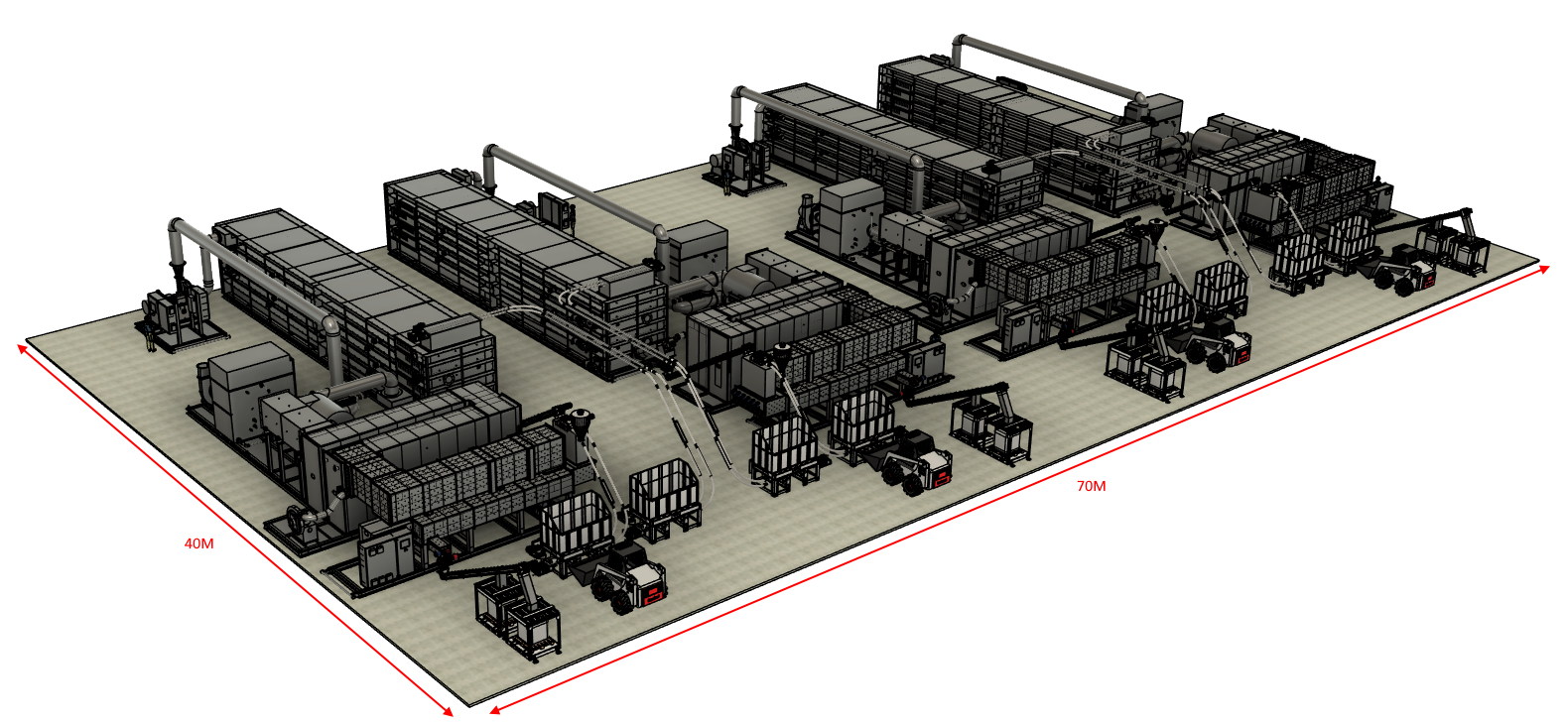
From Single Units to Large Treatment Facilities
Illustrative multi-unit configuration. Final layout and equipment scope are project-specific
Why Organisations Choose the G-Series

-
Project development begins with the material: its quantity, moisture content, energy content, handling characteristics and contaminants. These inputs inform system sizing, feed preparation, the plant energy balance and the intended treatment outcomes.
-
The G-Series can incorporate extended high-temperature gas retention to support the destruction of PFAS and other difficult organic contaminants. Treatment conditions, emissions management and verification requirements are considered together as part of the project design.
Selected spent granular activated carbon projects can also be assessed for reactivation.
-
IQ Energy works with customers, engineering consultants, EPC contractors and equipment suppliers to integrate the thermal platform with commercial dryers, feed preparation, material handling and other plant infrastructure.
The objective is an appropriate overall treatment solution—not a requirement to use proprietary equipment throughout the facility.
-
Building on G300 demonstration and operating experience, IQ Energy’s G500 commercial reference facility in Alberta is progressing through commissioning.
The facility is intended to support customer feedstock trials, operating-data development and future deployments. Independent performance and emissions verification is planned.
Pure Pyrolysis for Specialist Applications
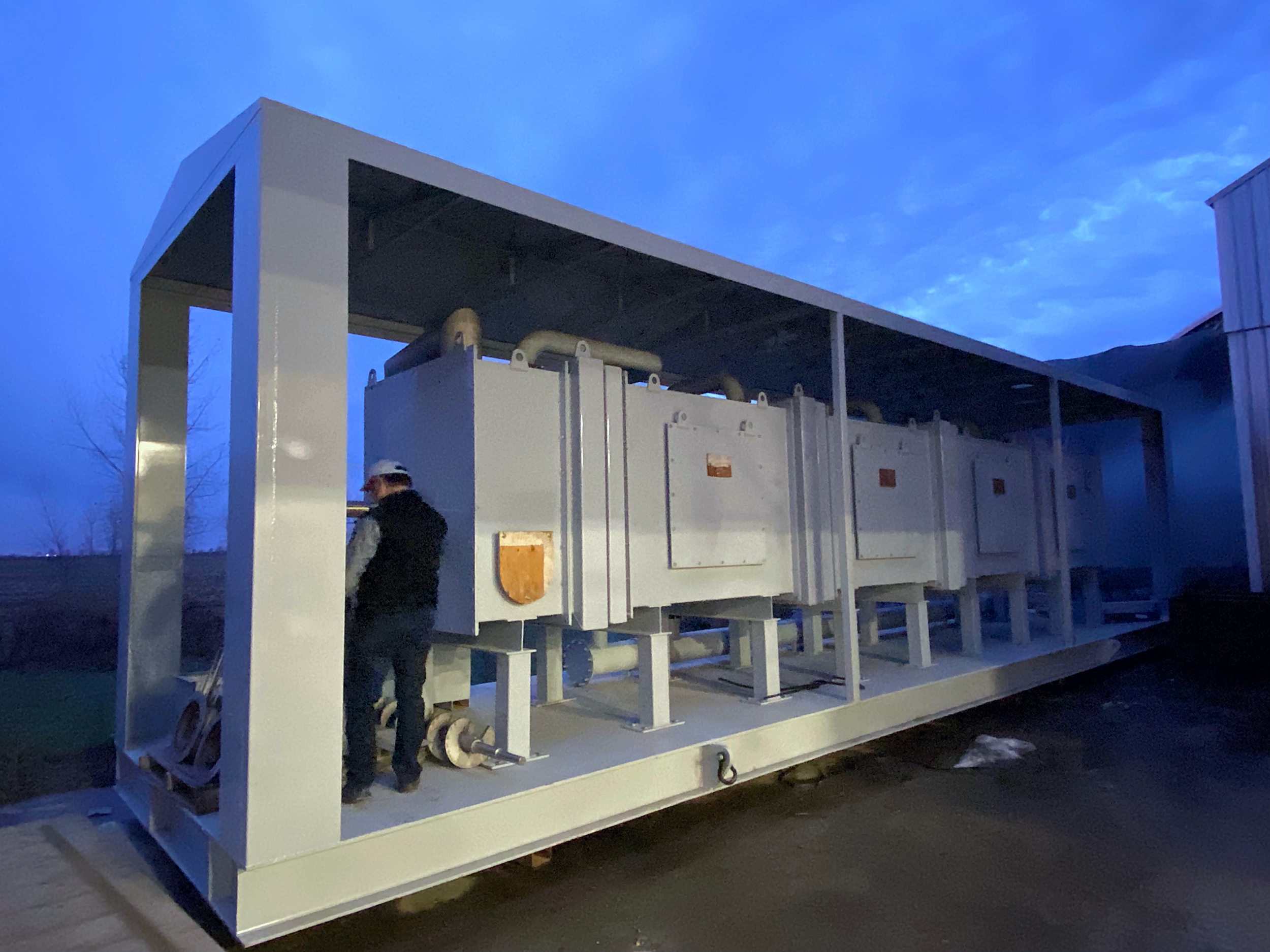
HTP-Series
The HTP-Series complements the G-Series where pure pyrolysis is better suited to the feedstock and desired product outcomes.
Its externally heated process is intended for applications focused on product production or selected hydrocarbon recovery, including waste plastics, scrap tires and selected hydrocarbon-bearing residuals.
As with the G-Series, each application is assessed around feedstock characteristics, emissions requirements and the intended product pathway.
Explore Our Markets
Explore the treatment objectives, integration considerations and project opportunities relevant to your residual stream.
Municipal Biosolids
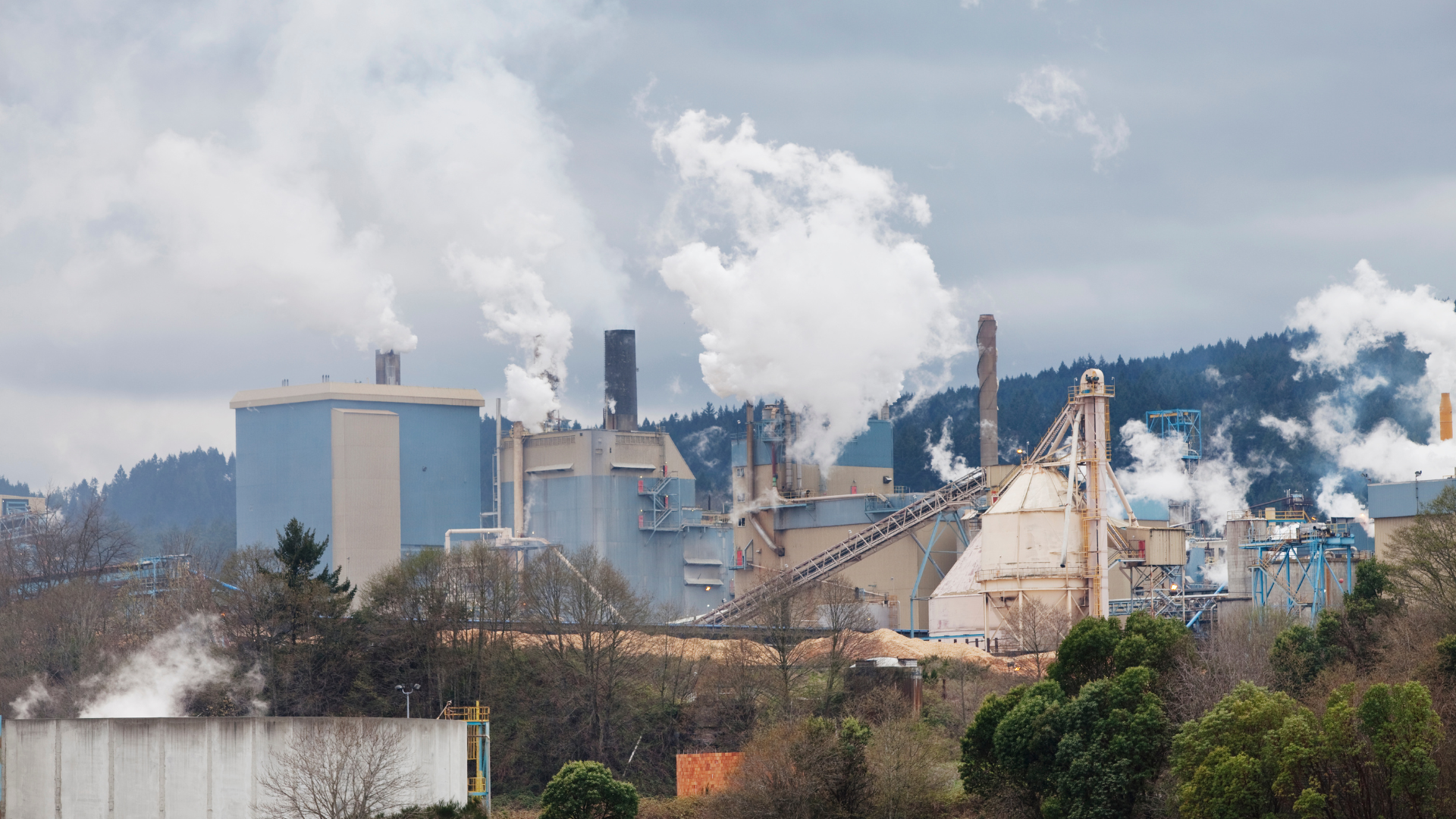
Industrial & Organic Residuals
PFAS-Contaminated Solids

Remote & Deployable Infrastructure
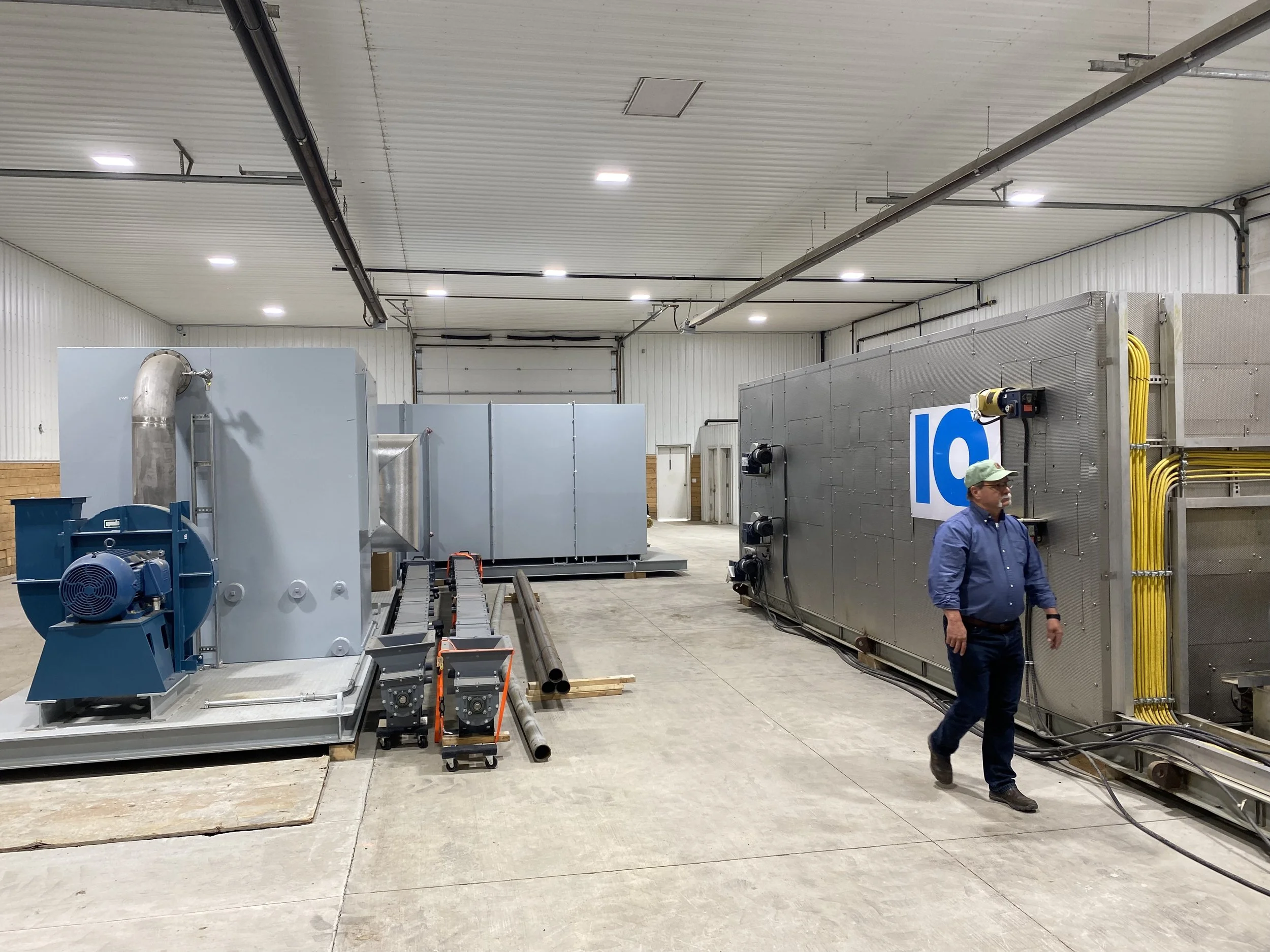
Let's discuss your project
Start with the material you manage, your approximate volumes and what you need to achieve.
Our team works with utilities, industrial operators, engineering consultants and project developers to assess treatment capacity, feed preparation, integration opportunities and the most appropriate thermal treatment pathway.